There are years when change happens slowly, and then there are years when everything clicks into place.
2026 is shaping up to be the second kind.
Not because of a single trend or a dramatic headline, but because the last six years have quietly reset how independent restaurants think, operate, and survive. What began as a scramble for stability has evolved into something more deliberate. More disciplined. More honest.
For the first time since the pandemic, many operators are no longer reacting. They are rebuilding with intention.
That shift matters more than any new technology or social media platform ever could.
The Pandemic Era Taught Survival. It Did Not Teach Strategy.
From 2020 through the early part of this decade, independent restaurants learned how to endure uncertainty. Menus were trimmed to the bone. Staffing models were improvised. Marketing became opportunistic. Decisions were often made under pressure, with incomplete information, and with little room to think long-term.
Those choices were necessary. They kept the doors open.
But survival thinking has a shelf life.
What worked in crisis mode does not automatically translate into sustainable growth. Many restaurants are still operating as if the next shutdown is around the corner, even though the challenges today look very different. Costs are structural now. Competition is sharper. Guests are more selective and more value-conscious.
2026 is the year when that disconnect becomes impossible to ignore.
The Market Has Quietly Changed the Rules
Guests are no longer impressed by novelty alone. They want clarity. They want consistency. They want a reason to come back that goes beyond a one-time experience.
At the same time, operators are facing pressures that are no longer temporary. Labor costs are not going backwards. Supply chains are more volatile by default. Rent, utilities, and insurance continue to climb.
The restaurants that will thrive are not the ones chasing every new tactic. They are the ones rebuilding their foundations.
That means rethinking menus as sales tools, not creative showcases.
It means treating marketing as a system, not a series of promotions.
It means designing operations that work on a bad week, not just a good one.
These are not emergency moves. They are structural decisions.
And 2026 is when the gap between operators who make them and those who do not will widen dramatically.
Renewal Does Not Mean Reinvention
One of the quiet myths of the post-pandemic era is that restaurants need to reinvent themselves completely to stay relevant. In reality, most do not.
What they need is refinement.
The strongest independent restaurants are rediscovering what made them valuable in the first place, then rebuilding around that core with sharper execution. Clear positioning. Cleaner menus. More intentional guest experiences. Marketing that speaks to the right customer instead of everyone at once.
Renewal is not about erasing the past. It is about removing the habits that no longer serve the business.
That process takes confidence. It also takes restraint.
And restraint is something the industry is finally rediscovering.
The Rise of the Operator Who Thinks Like an Owner Again
During the pandemic years, many owners were forced into a constant state of triage. The business ran them. Fires dictated priorities. Long-term planning felt indulgent.
Now, a different type of operator is emerging.
This owner looks at the P&L monthly, not just at tax time.
They know which menu items subsidize the rest.
They understand that marketing is not about volume but about alignment.
They value systems over hustle.
These operators are not louder than everyone else. They are calmer. More selective. More profitable.
2026 will reward this mindset.
Not with overnight success, but with stability that compounds.
Why This Moment Matters More Than the Last One
The pandemic forced change on the industry. The coming shift is voluntary.
That distinction matters.
When change is forced, businesses react. When it is chosen, they design.
Independent restaurants are standing at a rare inflection point. The chaos has settled enough to allow reflection, but not so much that complacency has returned. Those who act now can build businesses that are resilient, focused, and positioned for long-term relevance.
Those who delay will find themselves working harder for diminishing returns.
This is not a warning. It is an observation.
A New Chapter for Independent Restaurants
The story of independent restaurants has always been one of resilience. What comes next is a story of maturity.
2026 will be remembered as the year many operators stopped asking how to survive and started asking how to build something that lasts.
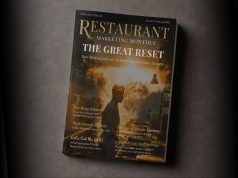
That is the spirit behind the first issue of Restaurant Marketing Monthly. It is not a nostalgia piece, and it is not a trend forecast. It is a blueprint for renewal. A look at how smart restaurants are emerging from pandemic-era thinking with sharper strategy, stronger systems, and renewed confidence in what independence really means.
The reset was necessary.
What comes after it is where the real work begins.
P.S. – Want a free January Jumpstart guide?